
The Future of Graphic Design in an AI World — And Why You Still Matter More Than Ever
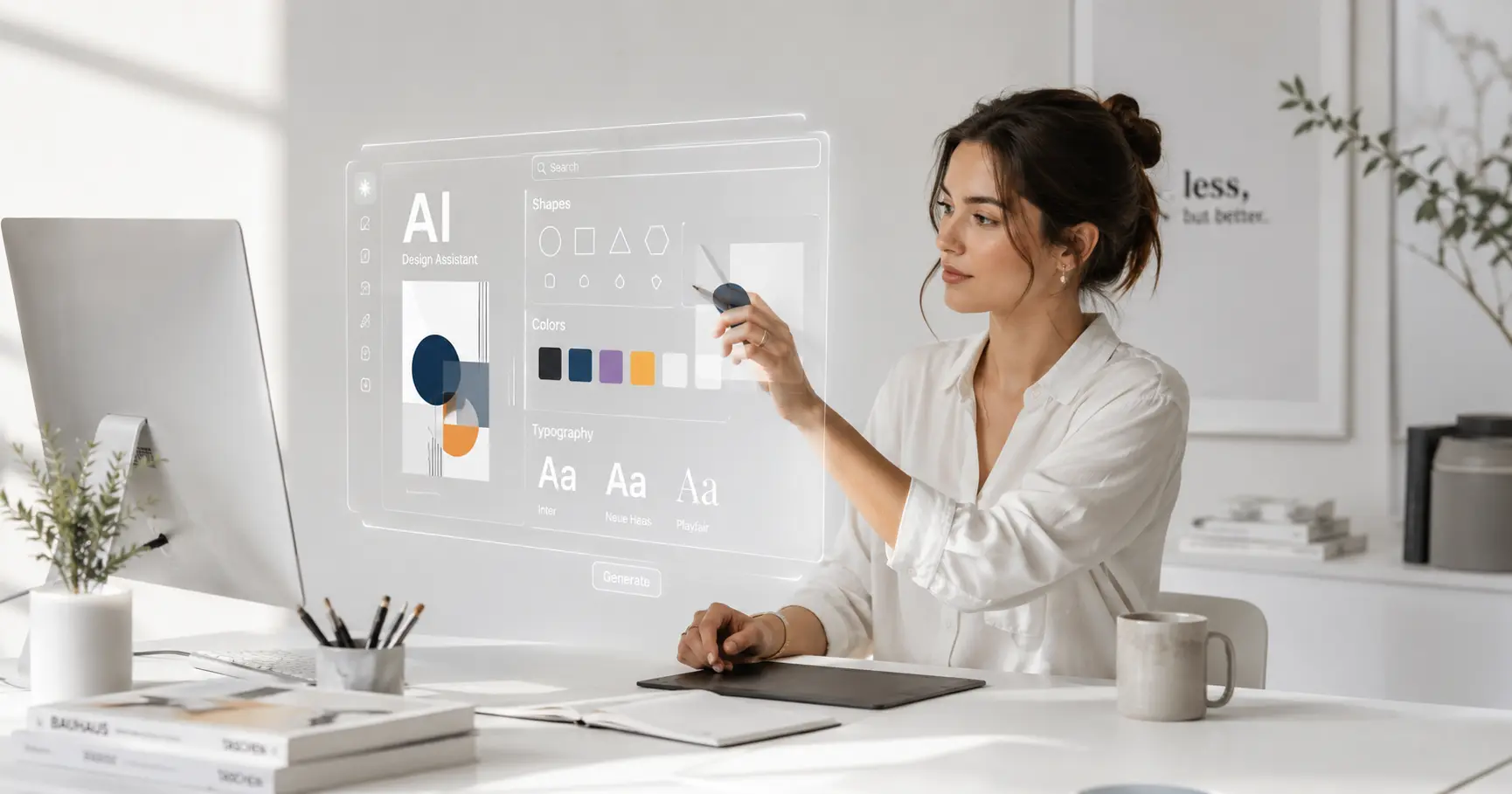
Hey designers, let's have an honest conversation.
You've probably seen the headlines. "AI can now design logos in seconds." "AI-generated art wins competitions." "Will AI replace graphic designers?" It's hard to scroll through your feed without bumping into one of these hot takes. And honestly? We get why it feels a little unsettling.
But here's the thing — we think the future isn't as scary as it sounds. In fact, for designers who are willing to adapt, it might be the most exciting era this industry has ever seen.
Let's break it down together.
AI Is a Tool, Not a Takeover
Remember when Photoshop came out? Or Canva? People panicked then too. "Anyone can design now!" And yes — anyone can slap together a flyer. But that didn't make great designers irrelevant. It just raised the baseline.
AI is doing the same thing, only faster and louder.
Tools like Midjourney, Adobe Firefly, DALL-E, and dozens of others can generate visuals in seconds. They can resize assets, suggest color palettes, remove backgrounds, and mock up layouts — tasks that used to eat up hours of your day. That's not a threat. That's a superpower waiting for you to pick it up.
The designers who'll thrive aren't the ones who resist AI. They're the ones who learn to direct it like a creative director runs a team.
What AI Still Can't Do (and Probably Won't for a While)
Here's where it gets interesting. For all the buzz, AI has some pretty significant blind spots:
It doesn't understand your client's brand soul. AI can generate a hundred logo options, but it has no idea that your client's grandmother started the business in a garage in 1987, or that their brand needs to feel warm, handmade, and deeply human. You do. That context — that emotional intelligence — is entirely yours.
It can't read the room in a client meeting. When a client says "make it pop" or "I want it to feel more premium," you know how to probe, clarify, and translate that fuzzy language into a visual direction. AI just guesses.
It doesn't have creative instinct. AI remixes what already exists. It's exceptionally good at pattern recognition and style replication. But the unexpected creative leap — the design decision that surprises everyone, including the client — that still comes from human intuition.
It can't build relationships. Clients come back to designers they trust. That trust is built through conversation, understanding, and a shared creative journey. No AI can replicate that bond.
The Skills That Will Set You Apart
So, what should you be focusing on right now? Here's what we at EnMate see becoming more valuable, not less:
1. Strategic Thinking The ability to connect design decisions to business goals is golden. Why does this layout increase conversions? Why does this color choice build trust with a specific audience? Designers who think like marketers and brand strategists will be in high demand.
2. AI Prompting & Direction This is genuinely a new skill — and a surprisingly nuanced one. Learning how to get the best out of AI tools (the right prompts, the right workflows, the right editing passes) is becoming part of every designer's toolkit. Embrace it early.
3. Brand Identity & Storytelling Visual storytelling — crafting a cohesive brand identity that communicates across every touchpoint — is deeply human work. AI can generate assets, but building a coherent visual world around a brand's values and personality still needs a real designer.
4. Motion & Interaction Design UI/UX, animation, and interactive design are areas where human creativity and empathy for the end user are more important than ever. These spaces are growing fast and AI tools here are still catching up.
5. Art Direction Think of yourself less as someone who makes the images and more as someone who decides what the images should be and mean. That shift in mindset — from maker to director — is where the future lies.
The Honest Reality: Some Things Will Change
We'd be doing you a disservice if we painted a totally rosy picture. Here's what's likely to shift:
- Entry-level, repetitive design work will be automated faster than other tasks. Things like basic social media templates, stock image selection, and simple resizing are already being handled by AI at scale.
- Pricing conversations will get harder for a while, especially with clients who think AI makes design "free." You'll need to be better at communicating the value of your expertise, not just your output.
- Speed expectations will increase. Clients who've seen AI generate 50 concepts in a minute will expect faster turnaround. This is where learning AI tools yourself helps — you can move faster and maintain creative quality.
What This Means for Your Career (Practical Steps)
You don't need to reinvent yourself overnight. But here are a few moves worth making:
Get hands-on with AI tools. Spend a few hours with Adobe Firefly, Midjourney, or even ChatGPT for copywriting support. You don't need to master them — just understand what they can and can't do.
Double down on your niche. The more specialized your expertise (brand identity for wellness companies, packaging design for food brands, UI for SaaS products), the harder you are to replace — by AI or anyone else.
Learn the "why" behind your work. Study brand strategy, consumer psychology, and conversion design. The deeper your thinking, the more irreplaceable you become.
Build your personal brand. Share your process, not just your results. Clients and employers want to understand how you think. That's something AI literally cannot replicate.
The Big Picture
The graphic design industry is changing — but it's not ending. It's evolving into something that values strategic creativity, brand intelligence, and human connection more than ever before.
AI will handle the tedious. You handle the meaningful.
At EnMate, we work with designers and brands every day, and we can tell you with confidence: the demand for thoughtful, strategically-minded creative professionals is only going up. What's shifting is the nature of the work — and that's actually a good thing for people who love what they do.
So take a breath. Pick up a new tool. Lean into what makes you uniquely human.
The future of graphic design has room for you — and it's looking pretty good.
EnMate is a digital marketing agency helping brands grow smarter. Whether you're a business looking to level up your creative strategy or a designer navigating the new landscape, we're here to help.
📩 Get in touch at hello@enmate.com | Follow us on Instagram & LinkedIn